Living through Cyclone Freddy: what survivors told us about gender, health and the disaster response in Malawi
When Cyclone Freddy hit southern Malawi in March 2023, it left more than 1,000 people dead and displaced over half a million across 14 districts. It struck while the country was still dealing with its worst cholera outbreak on record. Those totals say little about how differently women and men lived through it. More than half of those affected were women, and women made up almost two thirds of the people who were displaced.
Using data, Femanalytica wanted to understand how the cyclone affected the health of women and men, and whether the humanitarian response met their different needs.
In August and September 2024, our team interviewed 46 survivors living in displacement camps in Blantyre and Chiradzulu districts. We also spoke with eight representatives of government and non-governmental organisations involved in the response. Because the conversations touched on loss, trauma and violence, interviews were held in private by trained interviewers with no role in distributing aid, following a distress protocol that let anyone pause, stop or be referred for support.
What survivors described was a disaster shaped by the roles people already held. Women spoke about getting their families to safety and then caring for injured relatives while searching for shelter. Men focused on lost homes, tools and income, and on the distress of no longer being able to provide. In the camps, maternal and reproductive health needs were not prioritised in the early weeks. Pregnant women queued with everyone else, and antenatal care and family planning were disrupted. Toilets were often shared by men and women with little privacy, and many women went days without sanitary pads or anywhere private to wash. Survivors and responders also described sexual exploitation, with women and girls pressured into sex in exchange for food. We see this as a failure of protection, not a personal choice. Mental health support came late and was stretched thin, and mothers told us their children still become frightened when the rains return.
Responders did take some gender-responsive steps, such as building separate toilets, providing hygiene kits and deploying female health workers. However, these measures were inconsistent and often came weeks or months late. Several key informants told us that gender was not built into their preparedness plans, partly because they lacked gender-disaggregated data. The paper recommends five changes. Maternal and reproductive health services should be in place from the day a camp opens. Dignity kits and separate sanitation for women and men should be standard in the first phase of relief. Livelihood recovery should be paired with structured psychosocial support. Protection from gender-based violence should be treated as lifesaving from the outset. Finally, district disaster management structures should have formal gender focal leadership.
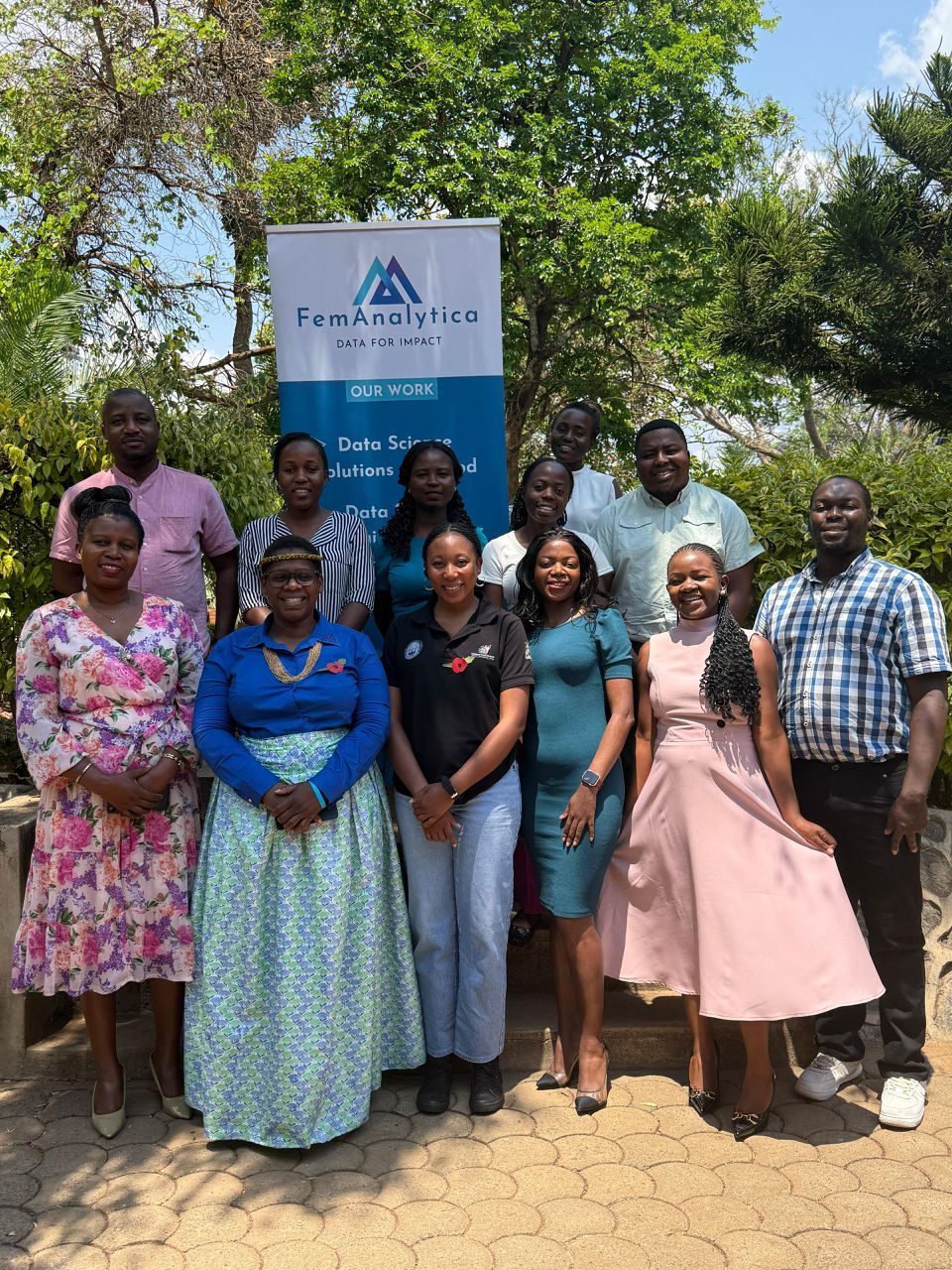
We believed these findings should go back to the people who plan and run disaster responses. On 30 October 2025, we held a dissemination meeting at the Sunbird hotel in Lilongwe. The Department of Disaster Management Affairs (DODMA), the Ministry of Gender and the Elizabeth Glaser Pediatric AIDS Foundation (EGPAF) attended in person, and others, including Youth Net and Counselling (YONECO), joined online. We held a roundtable discussion with stakeholders who had worked on the response. Hearing responders engage directly with survivors' accounts was valuable, and they committed to taking the findings into account and building them into their programmes.
This study sits at the heart of what FemAnalytica does. Our mission is to use data to advance the Sustainable Development Goals in Malawi, with a particular focus on women, and this work brings together health (SDG 3), gender equality (SDG 5) and climate action (SDG 13). It is also a clear example of the gender data gap. When women's experiences are not counted, they are not planned for. Recording survivors' experiences with care for their safety helps make Malawian women and girls visible to decision-makers.
We thank the survivors who shared their experiences with us, the stakeholders who attended the dissemination and gave their feedback, and our funders, the Gender and Public Health Emergencies Small Grant Program, through a research subgrant to FemAnalytica via Simon Fraser University, funded by the Bill & Melinda Gates Foundation.
Read the full paper: Payesa C, Milanzi E, Sichali J, Holla R, Kaliu T. Living through Cyclone Freddy: "Gendered Health Impacts and Coping Responses in Malawi". PLOS Global Public Health. 2026;6(5):e0005799. https://doi.org/10.1371/journal.pgph.0005799